Rare 1964 Rs. 50 Note With Small Prefix Could Earn You Lakhs in 2025!
Imagine finding an old Rs. 50 note from 1964 in your family’s drawer — and realizing it could be worth lakhs of rupees today!
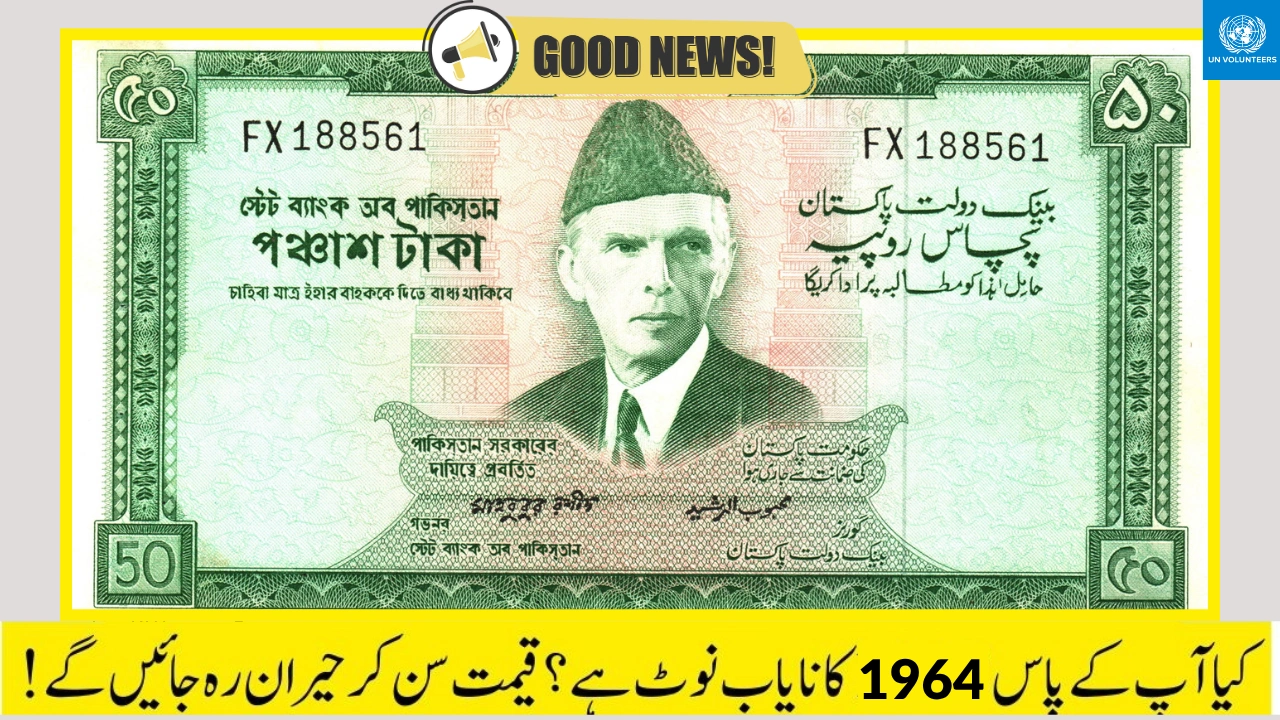
Collectors and currency enthusiasts are now paying huge amounts for these rare 1964 Rs. 50 notes, especially those with small prefix serial numbers and in uncirculated condition.
Let’s explore what makes this vintage Pakistani banknote so valuable, how to identify it, and where you can sell it for the best price.
Why Is the 1964 Rs. 50 Note So Special?
The 1964 Rs. 50 note holds historical importance as one of Pakistan’s early currency issues printed under the State Bank of Pakistan (SBP) after the country’s formation.
These notes stand out for their design, limited print quantity, and unique serial prefixes — features that make them highly sought-after among collectors worldwide.
Here’s what makes it rare:
-
Year of Issue: 1964 – part of Pakistan’s early post-independence banknotes.
-
Small Prefix Numbers: Single- or double-letter serials like “A/12” or “AB/09” are much rarer than triple-letter series.
-
Signatures: Notes signed by early SBP Governors such as Shahid Hussain or Shujaat Ali can significantly raise the note’s value.
-
Unique Features: Star-marked prefixes, printing misalignments, or low serial numbers (e.g., 000001) make the note even more valuable.
-
Condition: Uncirculated (UNC) or Brilliant Uncirculated (BUNC) notes fetch the highest market prices.
Current Market Value of the 1964 Rs. 50 Note (2025 Update)
The price of a 1964 Rs. 50 note depends on its condition, serial number, and rarity. According to collectors and online marketplaces:
| Condition | Approximate Market Value (PKR) |
|---|---|
| Circulated (Good to Fine) | Rs. 30,000 – Rs. 1,00,000 |
| Uncirculated (UNC) | Rs. 3 – 5 lakh |
| Star Prefix or Low Serial | Rs. 6 – 8 lakh |
| Printing Error or Misprint | Up to Rs. 10 lakh |
💡 Pro Tip: A clean, crisp, and well-preserved note without folds or stains can easily multiply in value compared to a worn-out one.
Historical Significance
The 1964 Rs. 50 note is more than just old currency — it’s a piece of Pakistan’s economic history.
It was part of the era when the State Bank of Pakistan established its own printing systems, marking the nation’s transition from post-independence economic recovery to stability.
These notes featured bilingual inscriptions (Urdu and English), elegant design elements, and anti-counterfeit features that were advanced for their time.
Over the years, many of these notes were lost or damaged, making surviving specimens extremely rare today.
Collectors value them not only for their monetary worth but also for their symbolic connection to Pakistan’s early development.
How to Identify an Authentic 1964 Rs. 50 Note
To determine if your note is authentic and valuable:
-
Check Serial Prefix: Look for small or short prefixes (like “A”, “AA”, or “B/07”).
-
Inspect Watermark: Original notes feature a crescent and star watermark.
-
Look for Governor’s Signature: Verify the official signature printed on the note.
-
Examine Condition: Avoid notes with folds, tears, or ink marks — UNC condition is ideal.
-
Use UV Light (Optional): Helps detect genuine security features not visible to the naked eye.
If in doubt, consult a numismatic expert or grading service before selling.
How to Sell Your Rare 1964 Rs. 50 Note
If you’ve verified your note’s authenticity, here’s how you can sell it safely and profitably:
-
Get It Graded: Use professional grading services like PMG (Paper Money Guaranty) to authenticate and value your note.
-
List Online: Sell on trusted platforms such as:
-
CoinBazzar.com
-
BidCurios.com
-
eBay.com
-
-
Add Clear Photos: Upload sharp front-and-back images showing serial number, condition, and watermark.
-
Set a Fair Price: Compare similar listings — UNC notes can go up to Rs. 5–8 lakh depending on rarity.
-
Use Secure Payments: Stick to verified payment methods like bank transfers or PayPal to avoid scams.
Tips for Collectors and Sellers
-
Keep notes in plastic sleeves or currency albums to avoid damage.
-
Never fold or laminate old currency — it reduces collector value.
-
Maintain original color and texture; avoid washing or pressing the note.
-
Always deal with verified buyers and avoid untrusted online offers.
Final Thoughts
The rare 1964 Rs. 50 note with a small prefix is a hidden treasure that reflects Pakistan’s early monetary history.
With rising global demand for collectible currencies, these notes are quickly becoming investment-grade assets.
If you happen to own one, take the time to authenticate, preserve, and list it wisely — it could turn out to be worth lakhs of rupees in today’s collector market.